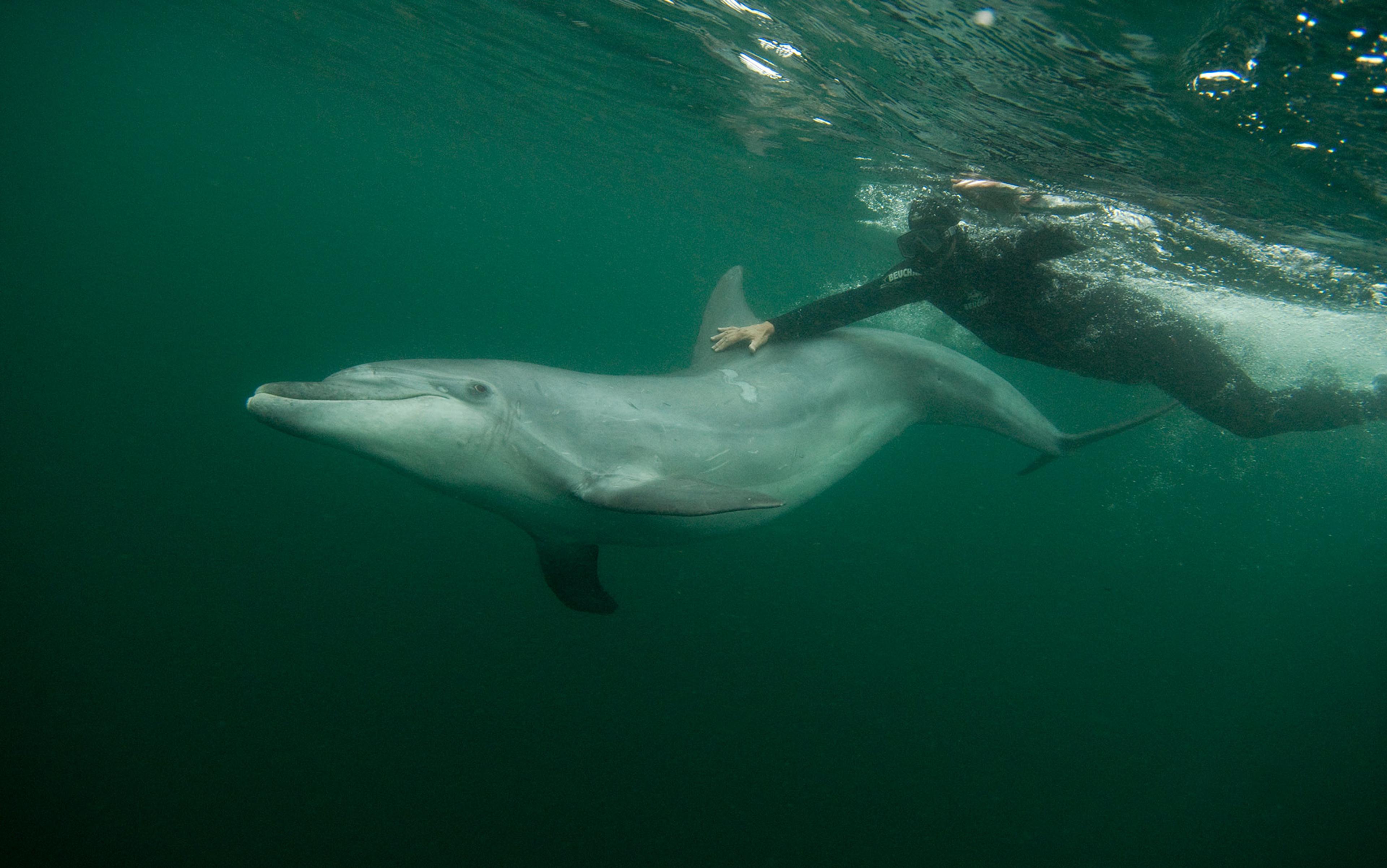
Children often dream about careers that seem magical to adults. One child may want to become an astronaut, another may dream of being a veterinarian, and some children are fascinated by the ocean and its incredible creatures. If your child says, “I want to be a dolphin caretaker,” it can be an exciting opportunity to understand their interests and help them explore the natural world.
A fascination with dolphins can reveal much more than a simple love for an adorable sea animal. It may reflect curiosity, compassion, a desire to care for living things, and an interest in science and the environment.
Contents
- 1. Dolphins Naturally Capture Children’s Imagination
- 2. It May Be About Caring, Not Just Dolphins
- 3. What Does a Dolphin Caretaker Actually Do?
- 4. Encourage the Interest Through Learning
- 5. Teach the Difference Between Wild Animals and Pets
- 6. A Dolphin Dream Can Lead to Many Careers
- 7. Practical Ways Parents Can Support the Dream
- 8. The Importance of Conservation
- 9. Let the Dream Grow
- 10. Final Thoughts
Dolphins Naturally Capture Children’s Imagination
Dolphins are intelligent, social, and highly active marine mammals. Their playful behavior and ability to communicate make them particularly fascinating to children.
Many children first encounter dolphins through documentaries, books, aquariums, movies, or visits to the beach. Seeing dolphins swimming, jumping, and interacting with one another can create a powerful impression.
For a child, becoming a dolphin caretaker may therefore sound like the perfect job: spending time around dolphins while feeding, playing with, and looking after them.
It May Be About Caring, Not Just Dolphins
When a child says they want to care for dolphins, parents can look beyond the specific animal.
The dream may indicate that the child enjoys helping and looking after other living beings. Perhaps they are gentle with pets, interested in wildlife, or concerned when they see an injured animal.
These qualities are valuable. A child’s fascination with dolphins can become an opportunity to encourage empathy and responsible attitudes toward animals.
Rather than immediately explaining how difficult such a career can be, parents can ask questions such as, “What do you like most about dolphins?” or “What would you want to do to help them?”
Their answers may reveal what truly interests them.
What Does a Dolphin Caretaker Actually Do?
The phrase “dolphin caretaker” can describe different types of animal-care work. Professionals who work with dolphins may have responsibilities involving animal care, observation, enrichment, training, record keeping, habitat maintenance, and supporting veterinary care.
Depending on the workplace, employees may work with marine mammals in zoological facilities, rescue organizations, rehabilitation centers, research institutions, or other specialized environments.
Caring for marine mammals is much more complicated than simply feeding them. Professionals need knowledge of animal behavior, nutrition, health, water quality, safety procedures, and conservation.
This can be a useful lesson for children: working with animals involves both affection and responsibility.
Encourage the Interest Through Learning
Parents don’t need to make an immediate career plan. Instead, they can turn the interest into a learning journey.
Children can read age-appropriate books about dolphins and marine life, watch educational documentaries, visit natural-history museums, or explore reliable educational resources about oceans.
They can also learn basic facts about dolphin behavior. For example, dolphins communicate using a variety of sounds and rely heavily on social interactions.
Learning about their natural habitat can also help children understand why protecting oceans is important.
Teach the Difference Between Wild Animals and Pets
A child who loves dolphins may imagine having one as a pet. This is a good opportunity to explain that dolphins are wild animals with complex social, physical, and environmental needs.
Dolphins belong in natural marine ecosystems, and responsible animal care should prioritize their welfare rather than treating them like household pets.
This distinction can help children develop a healthier understanding of wildlife. Loving an animal doesn’t necessarily mean wanting to own it. Sometimes, caring for wildlife means protecting its habitat and allowing it to live naturally.
A Dolphin Dream Can Lead to Many Careers
Even if your child eventually decides not to become a dolphin caretaker, their interest could lead them toward many related careers.
They might become a marine biologist, veterinarian, wildlife rehabilitator, animal-care professional, oceanographer, environmental educator, conservation scientist, or marine researcher.
Some children may eventually discover that they are more interested in studying ocean pollution, marine ecosystems, animal behavior, or climate change than directly working with dolphins.
The important thing is to let the interest develop naturally.
Practical Ways Parents Can Support the Dream
There are plenty of simple ways to encourage a child’s fascination with marine life.
Parents can start by providing books about oceans and marine animals. Visiting an aquarium or marine science center can also turn curiosity into a memorable educational experience.
Older children may enjoy keeping a nature journal, drawing marine animals, learning about ocean ecosystems, or researching different species.
For younger children, even simple activities such as creating dolphin drawings, making ocean-themed crafts, or learning animal sounds can encourage curiosity.
The goal isn’t to train a future professional at an early age. It is to help the child enjoy learning.
The Importance of Conservation
A love for dolphins can also become a lesson about environmental responsibility.
Children can learn that healthy oceans are essential for marine life. Topics such as plastic pollution, habitat destruction, fishing practices, noise pollution, and climate change can be introduced in an age-appropriate way.
Simple habits—such as reducing unnecessary plastic use, avoiding littering, and respecting wildlife—can help children understand that everyone has a role in protecting nature.
This makes the dream of caring for dolphins much bigger than a career ambition. It becomes an opportunity to develop environmental awareness.
Let the Dream Grow
Children’s career ambitions change frequently, and that’s perfectly normal. A child who wants to become a dolphin caretaker today may want to become a scientist, artist, teacher, or something completely different a few years from now.
Parents don’t need to predict the future. Instead, they can encourage curiosity, provide opportunities to learn, and allow children to explore their interests without pressure.
If the fascination with dolphins lasts, it can eventually become a serious academic interest.
Final Thoughts
When your child says they want to be a dolphin caretaker, it is worth listening carefully. Behind those words may be a genuine love of animals, curiosity about the ocean, or a strong desire to care for living things.
The best response is not necessarily to tell them whether the career is realistic. Instead, help them explore what makes dolphins so fascinating. Books, documentaries, educational visits, nature activities, and conservation lessons can all turn a childhood fascination into meaningful learning.
Whether your child eventually works with dolphins or simply grows into someone who cares deeply about wildlife, encouraging that curiosity today can have a lasting impact.