Why Window Tint Choice Matters in Maple Shade
From summer errands along Route 73 to sunny commutes toward Philadelphia, Maple Shade drivers can deal with hot seats, harsh glare, fading interiors, and an uncomfortable cabin after sitting in the sun. Choosing ceramic coating for cars in Maple Shade, NJ, can also complement a broader vehicle-care plan by helping protect exterior surfaces. At the same time, window film addresses comfort and sunlight inside the cabin. The right tint depends on how you use your vehicle. A car parked outdoors at work, a family SUV carrying children in the back seat, and a vehicle driven mainly after dark may need very different solutions. Maple Shade experiences humid summers, changing spring and fall sunlight, rainy roads, and early winter sunsets, so comfort should always be balanced with clear visibility.
What Window Tint Actually Does
Vehicle window film manages several types of solar energy. Visible light affects brightness and privacy, ultraviolet light can contribute to interior fading and skin exposure, and infrared energy contributes to the heat felt inside a parked vehicle. A dark film is not automatically a high-performing film. Some lighter products offer strong heat and UV control without creating an overly dark appearance. Film can also reduce glare from low afternoon sun, wet pavement, bright storefronts, and headlights. For drivers concerned about car window UV protection, it is worth knowing that clear UV-focused films may provide substantial protection without requiring a dark shade. For Maple Shade vehicle owners, window tint can improve cabin comfort and reduce solar exposure through the glass. At the same time, an automotive ceramic coating near me is a separate service that helps protect painted exterior surfaces and simplifies routine cleaning. Tinting and coating are separate services with related benefits.
VLT Ratings Made Simple
Visible light transmission, commonly called VLT, is the percentage of visible light that can pass through the glass and film together. A lower number means a darker result. These ranges are useful visual references, but they are not legal recommendations.
- 70% VLT: Very light appearance with strong outward visibility.
- 50% VLT: Light shade that can soften glare while maintaining an open look.
- 35% VLT: A balanced option for drivers seeking comfort, style, and moderate privacy.
- 20% VLT: A noticeably darker appearance with increased privacy.
- 5% VLT: Very dark film, often called limousine tint, with significant nighttime visibility concerns.
Factory privacy glass, existing film, and the glass itself can affect the final reading. Always ask for a measurement of the completed result, rather than relying only on the VLT printed on a film box.
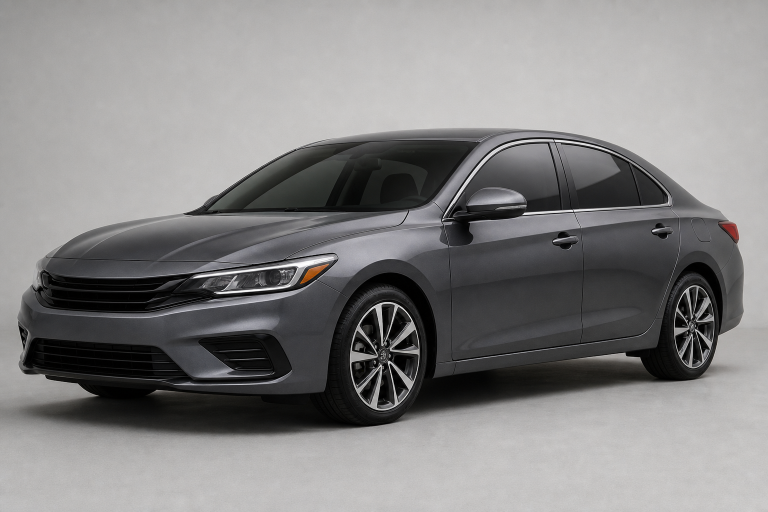
Comparing the Main Film Types
Dyed, Carbon, Metallic, and Ceramic Options
- Dyed film: Often a lower-cost option that adds shade and privacy. Its heat-control performance and long-term color stability may be more limited.
- Carbon film: Usually delivers a deep, matte look with better color stability than basic dyed products.
- Metallic film: Can offer strong solar performance, but metal layers may affect GPS, radio, cellular, or keyless-entry signals.
- Ceramic film: Uses nonmetallic particles to manage heat and glare while preserving signal performance. It is often the premium-priced choice.
Choosing Tint for Heat Reduction
Drivers who want a cooler cabin should look beyond shade and ask about infrared rejection, total solar energy rejection, and tested UV performance. Results vary with the vehicle’s glass area, interior color, sun angle, parking location, air-conditioning use, and whether the vehicle sits in direct New Jersey summer sun for hours at a time. Recent reporting on window tint and summer heat reinforces a sensible point: film can improve comfort, but it is not a complete answer to heat buildup. A windshield sunshade, shaded parking, ventilation, and a well-maintained climate-control system still make a meaningful difference.
Managing Glare Without Making Windows Too Dark
Glare can be exhausting on roads around Maple Shade, particularly in low-angle morning and afternoon sun or in rain, when pavement reflects headlights. A lighter high-performance film may be a better fit for drivers who regularly travel at night, use unlit suburban roads, or prefer a brighter cabin. Before committing to a shade, consider how it will feel from the driver’s seat after dark. A tint that looks polished in a driveway may make it harder to spot pedestrians, cyclists, animals, lane markings, and road hazards at night.
Checking New Jersey Tint Rules Before Installation
State rules can change, and different windows may have different restrictions. Before installation, use this planning checklist:
- Confirm current New Jersey rules through an official state source.
- Review requirements separately for the windshield, front side windows, rear side windows, and back glass.
- Ask about reflective or colored films and any medical-exemption requirements.
- Verify the final VLT after factory glass and film are combined.
- Keep any required documentation in the vehicle.
Questions to Ask and Care After Installation
Ask an installer for the film’s tested VLT, infrared performance, UV filtering, warranty terms, expected curing time, and signal compatibility. Also, ask whether the glass will be measured before installation and which cleaning products to avoid. During curing, small water pockets or a hazy look can be normal. Follow the installer’s guidance about rolling down windows and cleaning the inside glass. Once cured, use a soft microfiber cloth and ammonia-free cleaner, and inspect the edges during the first few weeks.
Conclusion
The best car window tint for Maple Shade, New Jersey, is not necessarily the darkest option. Start with your main goal, whether it is reduced heat, lower glare, UV filtering, privacy, or a refined appearance. Then compare film technology, verify performance data, account for nighttime driving, and confirm current New Jersey requirements before installation. Consider how often the vehicle is parked outdoors, how much highway driving it does, and whether factory-tinted glass will affect the final result. A high-quality film with strong heat rejection and clear visibility may provide more practical value than a darker, lower-performing option. Professional measurement and installation can also help ensure consistent coverage and reduce problems such as bubbling, peeling, or visual distortion. That approach leads to a more comfortable vehicle without sacrificing safety or choosing features you do not need.