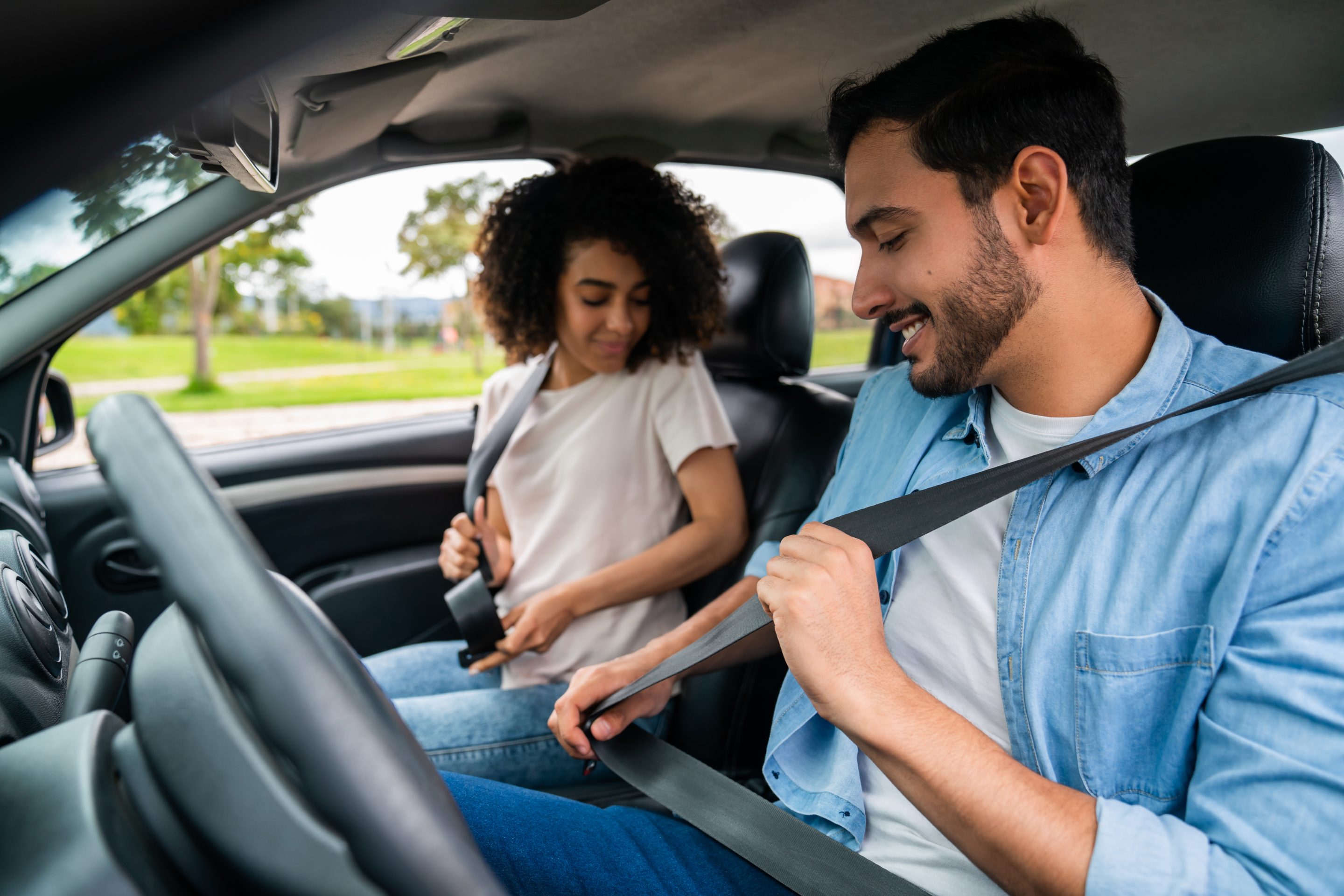
Seat belts are one of the simplest yet most powerful safety innovations ever created. Since the introduction of the three-point seat belt in 1959, it has saved over a million lives worldwide.
In the UAE, seat belt use has been mandatory for all passengers since July 2017, with penalties for non-compliance. While overall awareness is high, recent findings from Road Safety UAE (in partnership with Al Wathba Insurance) reveal a concerning gap between knowledge and actual behavior—especially among rear-seat passengers.
The Reality: Awareness Is High, Usage Isn’t
Most people understand the importance of seat belts—but that doesn’t always translate into consistent use.
What people know:
- 95% agree seat belts protect drivers and front passengers
- 82% agree they also protect rear-seat passengers
What people actually do:
- 86% of drivers always wear seat belts
- 86% of front passengers always wear them
- Only 24% of rear passengers always buckle up
This gap highlights a critical issue: safety is often treated as optional, especially in the back seat.
The Risk of Ignoring Seat Belts
The consequences of skipping a seat belt can be fatal.
According to Abu Dhabi Police, 60% of road fatalities in the emirate are linked to not wearing seat belts. For comparison:
- USA: 49%
- UK: 25%
- EU: 25–50%
These numbers make it clear—seat belt usage is one of the biggest factors in survival during a crash.
Common Myths That Put Lives at Risk
Despite widespread awareness, many people still avoid wearing seat belts due to misconceptions:
- “The back seat is safe enough.” (55%)
Reality: Rear passengers are just as vulnerable—and can even injure front passengers in a crash. - “It’s just a short trip.” (27%)
Most accidents happen close to home. - “Airbags are enough.” (16%)
Airbags are designed to work with seat belts, not replace them. - “The driver is careful.” (10%)
Even the safest driver can’t control others on the road.
These beliefs may seem harmless—but they significantly increase the risk of serious injury or death.
Drivers Are Leading—But More Can Be Done
There is some positive news. Many drivers are taking responsibility:
- 70% always ask passengers to wear seat belts
- Another 14% do so often
With newer vehicles introducing rear-seat belt reminders, compliance is expected to improve further.
Still, consistent behavior across all passengers remains the goal.
Why Seat Belts Matter So Much
Research shows that seat belts can:
- Reduce fatalities by 45–60% in accidents
- Lower child fatality risk by up to 80%
In simple terms, wearing a seat belt is one of the easiest ways to save your life in a crash.
A Legacy of Safety: The Three-Point Seat Belt
The modern seat belt was invented in 1959 by Swedish engineer Nils Bohlin for Volvo. What makes this story remarkable isn’t just the invention—it’s what followed.
Volvo chose to open the patent, allowing all car manufacturers to adopt the design for free. This decision prioritized global safety over profit and helped make seat belts a standard feature worldwide.
Earlier designs, like two-point lap belts, offered limited protection and could even cause injuries in high-speed crashes. The three-point system—securing both the torso and waist—revolutionized passenger safety.
The Road Ahead: Improving Compliance
Experts believe increasing seat belt usage is one of the most effective ways to reduce road fatalities.
To achieve this, efforts must focus on:
- Stronger awareness campaigns
- Consistent enforcement of laws
- Use of technology like AI-based monitoring
As Thomas Edelmann of RoadSafetyUAE highlights, improving seat belt compliance represents a major opportunity to save lives on UAE roads.
The Bottom Line
The message is simple: knowing the importance of seat belts isn’t enough—using them consistently is what saves lives.
Whether you’re in the front seat or the back, on a long drive or a short trip, buckling up should never be optional.
Because in the end, a seat belt isn’t just a safety feature—it’s a lifesaver.