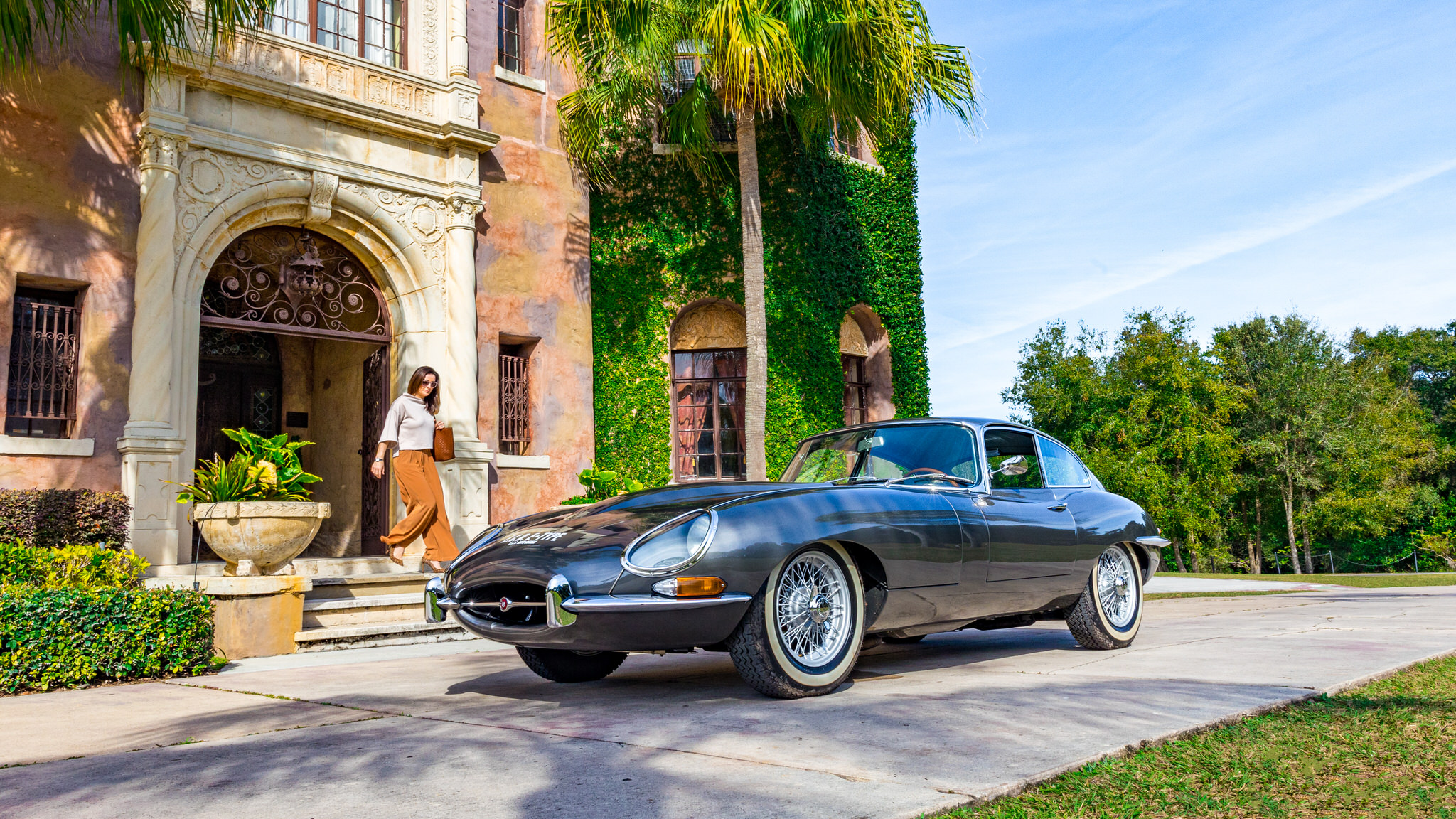
Restomod projects are usually discussed in terms of specs—engine swaps, suspension upgrades, flawless paintwork, and modern electronics. While those details matter, they only tell half the story. What truly drives most builds isn’t horsepower or hardware—it’s something far more personal.
For many owners, the journey begins with a feeling. It might be a color that reminds them of a childhood memory, a desire to recreate the way a car once felt on an open road, or inspiration drawn from an icon like the Jaguar E-Type. Even choices like going for a V8 or an electric powertrain often reflect lifestyle intentions rather than pure performance goals.
From that point on, every technical decision becomes a translation of emotion into engineering. Paint defines identity, the powertrain shapes personality, and interior materials influence how the car feels every time it’s driven. When done right, a restomod becomes more than a rebuilt classic—it becomes a personal statement brought to life.
Why Emotion Is the Starting Point
Most restomod builds don’t begin with a checklist—they begin with a story. That story could come from an old photograph, a previously owned car, or simply a vision of how the vehicle should fit into everyday life.
Collectors often see their cars as extensions of identity, reflecting taste, history, and presence. Meanwhile, adventure-driven owners might gravitate toward platforms like the Defender or FJ40 for their raw capability and character—qualities not always found in modern SUVs.
These emotional starting points quickly shape the build direction. Instead of random upgrades, decisions are guided by how the vehicle should feel and perform in real life—whether that means comfort on long drives, rugged off-road performance, or a nostalgic driving experience.
Balancing Heritage and Modernization
Every restomod faces a fundamental question: what should stay original, and what should evolve?
Some owners lean toward preservation, keeping period-correct details intact. Others prioritize modern reliability, safety, and performance. Most fall somewhere in between, trying to strike a balance that respects the car’s past while making it usable today.
This balance isn’t always easy. Modifying a classic often means making tough calls about how much of its original character to retain. That’s why a thoughtful, guided process is essential—one that helps owners understand the trade-offs behind every choice, from drivetrain setups to material finishes.
More Than a Build: Memory and Meaning
For many, a restomod is deeply tied to personal history. It could be about restoring a family vehicle, reliving a past ownership experience, or reviving a car that holds long-standing emotional value.
In these cases, the process carries extra weight. It’s not just about rebuilding—it’s about preserving meaning while preparing the car for the future. Every detail, from material selection to documentation, plays a role in maintaining that connection.
At the same time, these projects are significant investments. Owners are not only thinking about performance, but also timelines, reliability, and long-term value. A clear, transparent process helps bridge that gap—turning uncertainty into confidence.
The Role of Process in the Emotional Journey
A well-structured build process is what transforms an idea into a finished vehicle that truly delivers. Step-by-step approvals, regular updates, and direct collaboration allow owners to stay involved and informed throughout.
Transparency is key. When every decision is explained and documented, owners can clearly see how their vision is taking shape.
And the journey doesn’t end at delivery. Ownership becomes part of the experience—road trips, events, and shared moments all add to the value of the build. That’s why long-term support matters. Proper maintenance, parts availability, and service ensure the car remains a source of enjoyment, not stress.
Built to Last—In Every Sense
Designing a restomod isn’t just about how it looks or performs on day one—it’s about how it holds up over time. Modern components improve reliability and safety, while carefully chosen materials ensure durability.
When craftsmanship, process, and long-term usability align, the result is something consistent and meaningful. The car doesn’t just impress at handover—it continues to deliver with every mile driven.
More Than Specs—It’s Personal
At its core, a restomod is more than a technical project. It’s a reflection of how someone wants to drive, what they value, and how a vehicle fits into their life.
The best builds start with clarity of purpose and follow a process that respects both emotion and engineering. The result isn’t just a modernized classic—it’s a car with a story, shaped by intention and built to be lived with.
If you’re considering a restomod, the first step isn’t choosing parts—it’s defining your vision. Everything else follows from there.